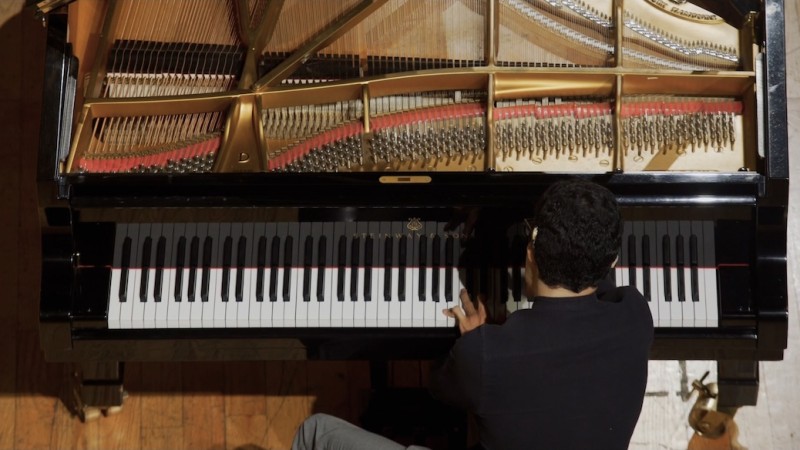
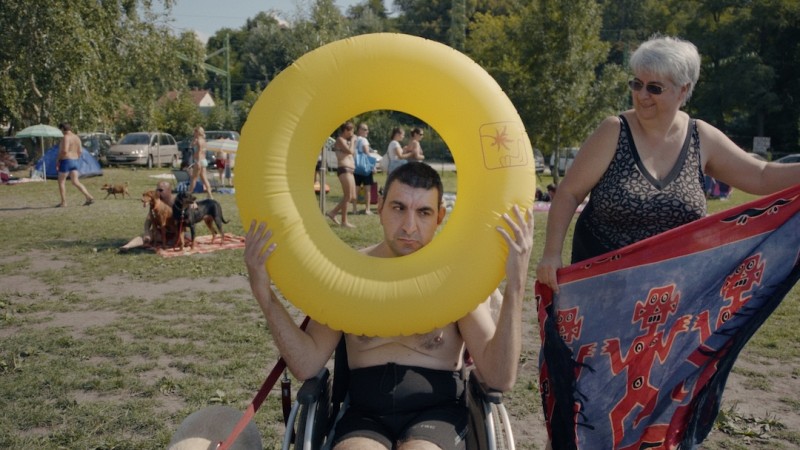
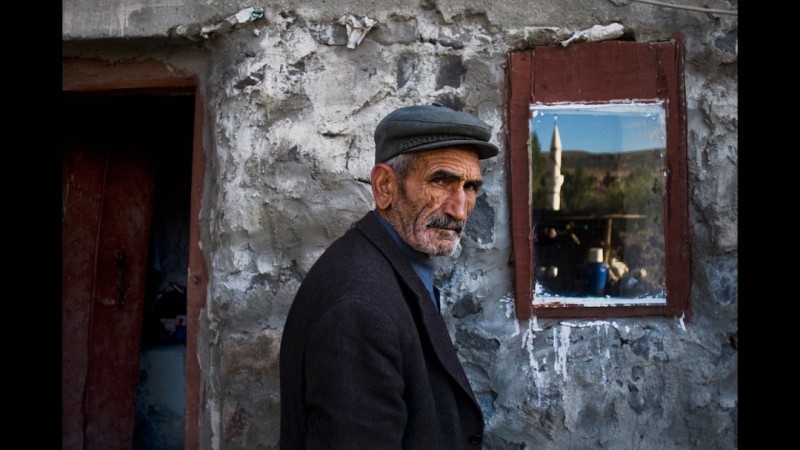
this human world: CONCERTO FOR THE OTHER HANDS
79 min., OmeU
In cooperation with Verband Filmregie Österreich and International Coalition for Filmmakers at Risks (ICFR). With support of FFW, VdFS und ÖFI.
The screening will be bookended by an introductory keynote presentation by Jordi Wijnalda, Brussels-based filmmaker and coordinator of the International Coalition for Filmmakers at Risk. After the film, there will be a deep-diving conversation with two of the filmmakers from the film’s collective, Sibil Çekmen and Nadir Sönmez.
Filmmaking is light, literally and figuratively; whatever filmmakers choose to portray in their films has a chance to step out of the shadow and not wither in the dark. With the rise of authoritarianism across the world, the role of filmmakers and other artists and cultural workers has only become more crucial in the fight against human rights violations and oppression of personal freedom. Increasingly, however, this comes at a great price for the filmmakers themselves, too — being persecuted, brought before court and imprisoned in countries like Iran, Myanmar, Belarus, South-Korea, Georgia and Turkey.
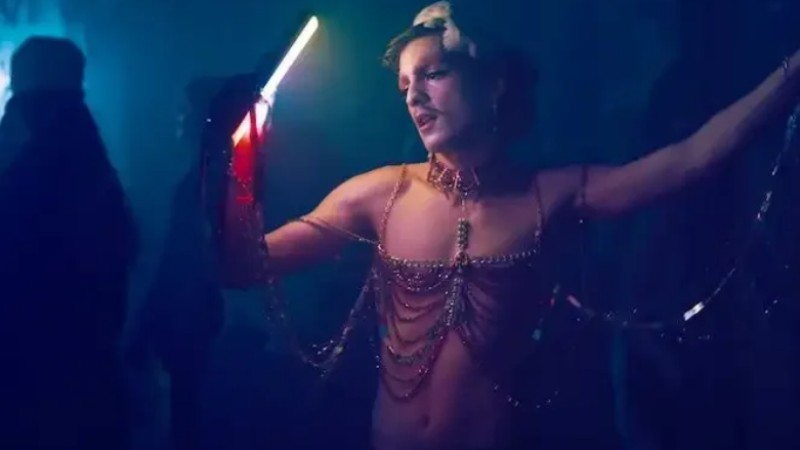
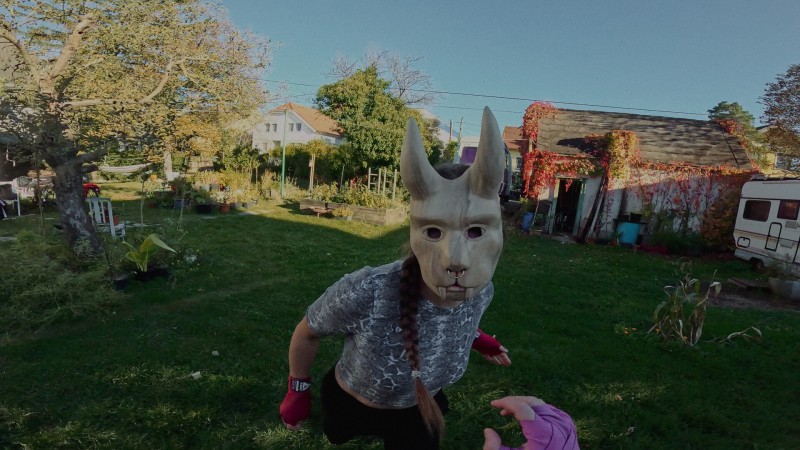
Across six different short films by eight filmmakers, this eclectic and courageous film takes its viewers on a journey past the pressing matters of Turkey in this day and age: the 2013 Gezi Park peaceful protests which have resulted in much government crackdown and show trials, the deliberately underlit gay cruising spots in Istanbul, the lasting scars and remnants of the Armenian genocide.
How can you be silent in the face of all that? But also, how can you stop yourself from censoring your own voice and your own work, when constantly confronted with the threat of oppression? Within the film, there is also a particular role reserved for documentary producer Çiğdem Mater, whom the collective as well as the ICFR have been actively campaigning for since she was sentenced to a shocking eighteen years in prison back in 2022 — for an alleged “Gezi Park documentary” she never even made to begin with.

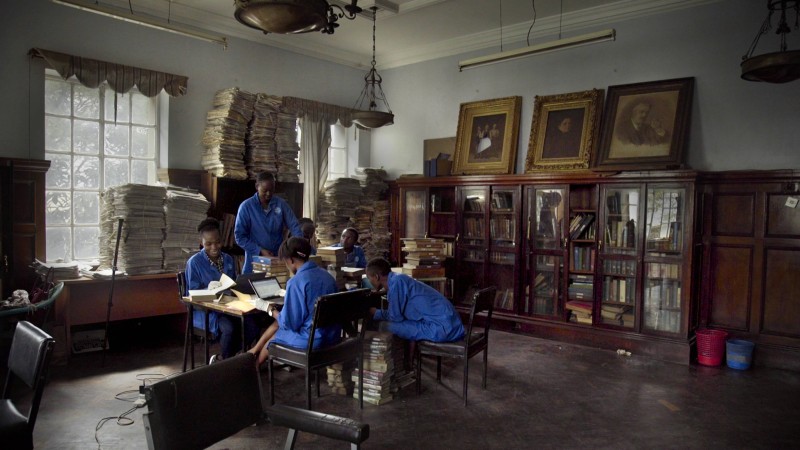
How can one tackle the effects of colonialism on indigenous African people more than half a century after most nations on the continent got their independence? In How to Build a Library, directors Maia Lekow and Christopher King choose a straightforward, methodical route. Their doc follows two Kenyan women as they try to transform a colonial era derelict library in downtown Nairobi. This humongous task demands patience, tenacity and a willingness to confront the past. Lekow and King bring the same skills to their film, but their task remains too vast and complicated for easy answers.
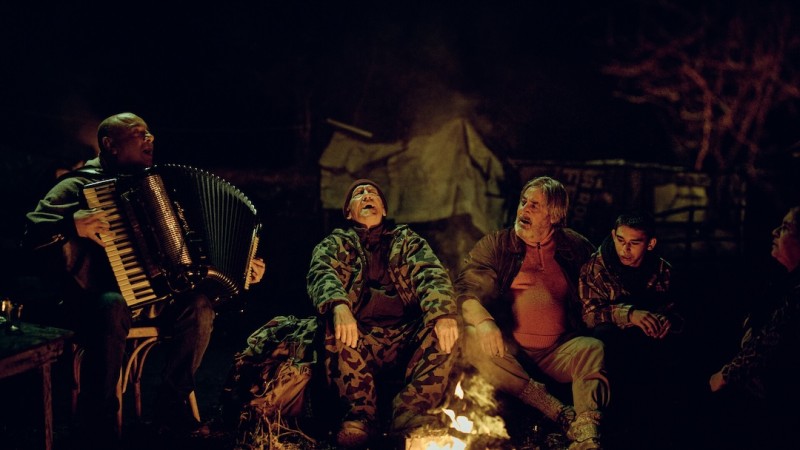
Pavel and Anna share a home, but not the same world. Years of unspoken words, betrayal, and misunderstandings have turned their marriage into an abyss of silence. Pavel, a retired hunter, finds redemption and the chance to reconnect with his estranged wife when he helps a Syrian boy who has been separated from his family near the Bulgarian border. Caring for the child brings Pavel and Anna back together, slowly healing old wounds and rekindling their lost bond. Set against the breathtaking landscape of the Strandja region, The Hunter’s Autumn is a moving story about humanity and the quiet power of love and connection.
ANOTHER SUMMER captures the stories of Afghan and Ukrainian refugees in Europe. It is unique not just because of the stories it tells but also because of how it was done. The film was shot in July 2022 by first-time filmmakers from Afghanistan (from the American University of Afghanistan), Ukraine (from the Central European University), and the US (from Williams College). The Afghan and Ukrainian students were/are refugees in various European countries, and none of the students had ever made a film before.
There will be a discussion about the film and how it can encourage processes of self-historicization in the context of flight.
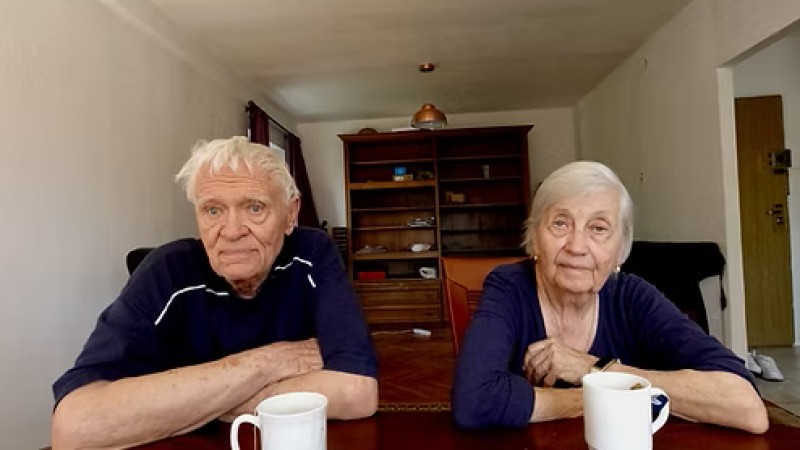
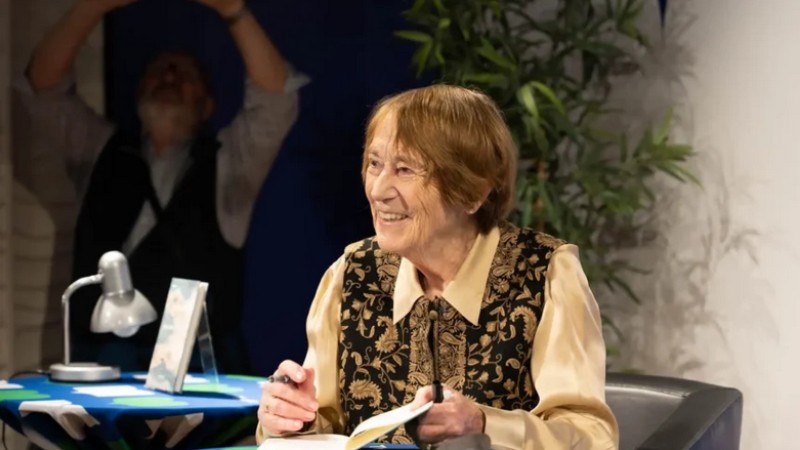
The 87-year-old Austrian author Renate Welsh has always addressed the theme of speechlessness in her books and writing workshops – until one day she herself is affected by it after a stroke. A moving portrait that follows her recovery and offers a glimpse into her eventful life.
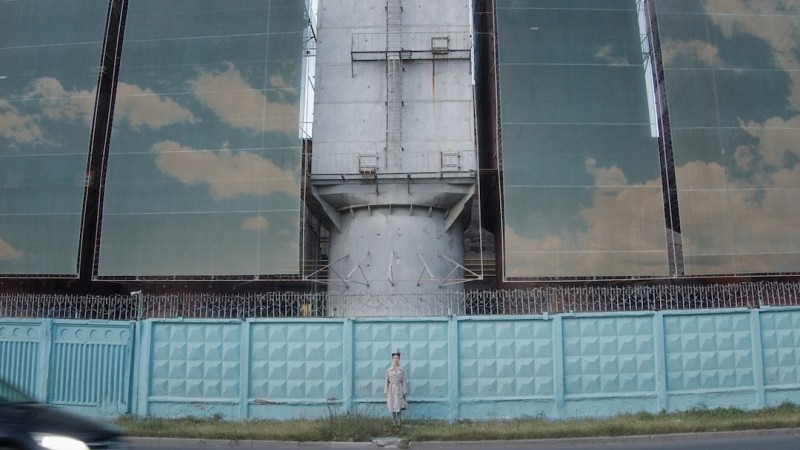
Twin Fences by Yana Osman is a quirky documentary that follows her journey through Russia, Ukraine and Afghanistan, with the focus on fences, exploring their meaning as both physical and metaphorical concepts. The film focuses on the PO – 2 fence, a concrete fence design that became a symbol of the Soviet era architecture and uses it as a starting point to examine how architecture divides and contains communities and nations. The film uses physical fences to depict the figurative ones created by history, war and ideology thus posing the question: “Who creates these fences?”
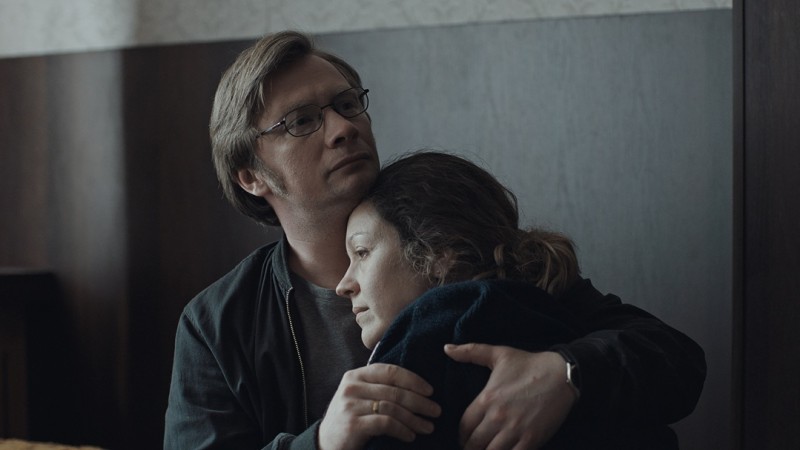
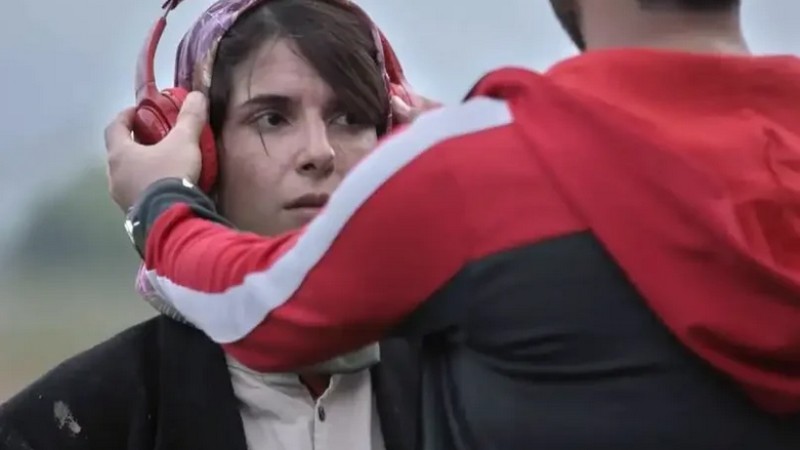
Lena works as a television reporter for an opposition media outlet. After the Belarusian journalist secretly livestreams the police’s brutal actions against peaceful demonstrators following rigged elections, she and her cameraman are tracked down by a drone and arrested. Her husband Ilya, who refuses to leave her, also finds himself facing accusations from a regime determined to break them both. The film is inspired by the real life of the young journalist Katsiaryna Andreyeva, who is currently serving an eight-year prison sentence in a Belarusian jail.
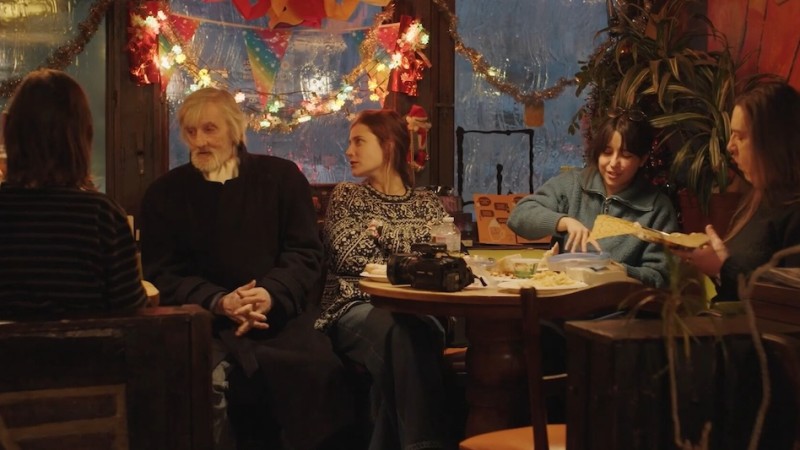
“When I file a complaint against the former priest Olivier de Scitivaux, I compulsively pick up the camera. I've forgotten everything about my childhood, and my parents are entangled in denial. I didn't expect the procedure to take so long. Above all, I never thought I'd ask myself one day: what happened to my body? And who knew? ”
In a cinematic gesture
in the first person, both intimate and political, This is My Body examines the micro-histories that make up rape
culture, memory as an unfathomable drawer.
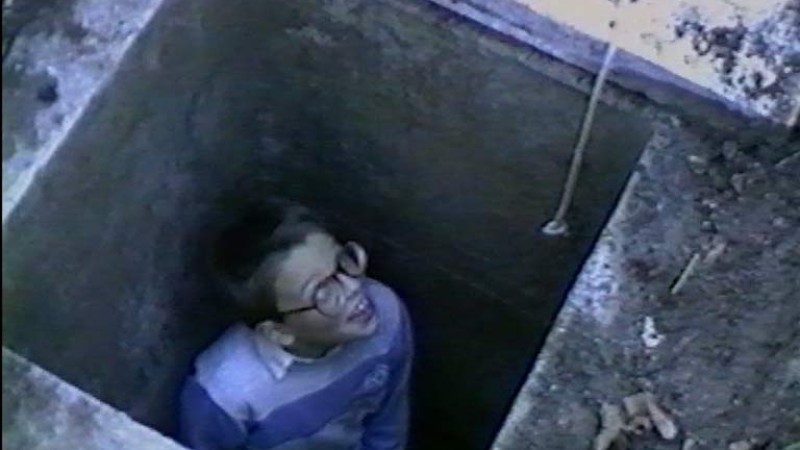
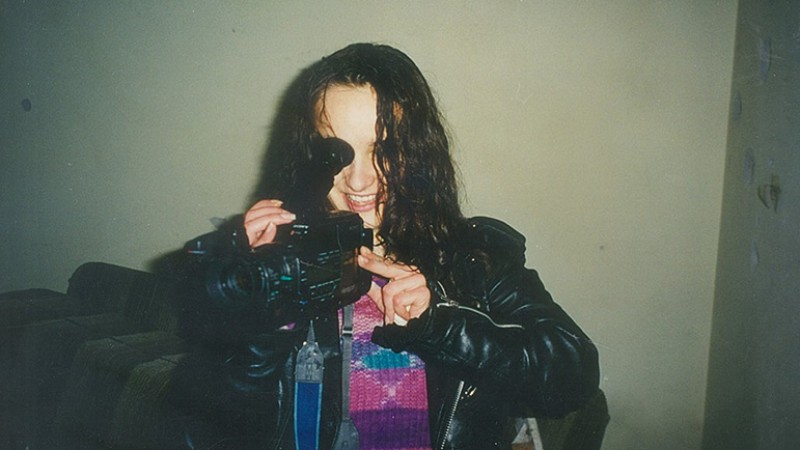
An extremely original film revolving around a series of fateful phone calls. The phone rings for the first time in 1992. We are in the Serbian city of Novi Sad, where someone calls 11-year-old Lana to tell her that her grandfather has died. For Lana, this sad news is the first step towards the collapse of Yugoslavia, which is on the brink of civil war. Shot on analog 16mm film in Novi Sad in locations that still look like they did in the 1990s, the film dissolves the clear boundaries between past and present—much like Radivojević's 11-year-old alter ego, who is in transition between childhood and early adolescence.
"Based on my own experience, which I extend through that of other infertile people, I show how Medically Assisted Reproduction changes our relationship with the body and the imaginary. We need to put mystery back where science gives us everything (too much) to see." Director Elodie Lélu
Oceania is an elegy, an investigation, and a call to action. The film challenges us to reconsider which connections are most important for the survival of humanity and ecosystems, and why we must restore them if we want to survive as a species. The story begins on a coral atoll that is expected to be uninhabitable by 2030 due to rising sea levels and temperatures caused by climate change. We follow a mother and her adult son as they struggle to preserve their culture, freedom, and independence after decades of colonization.
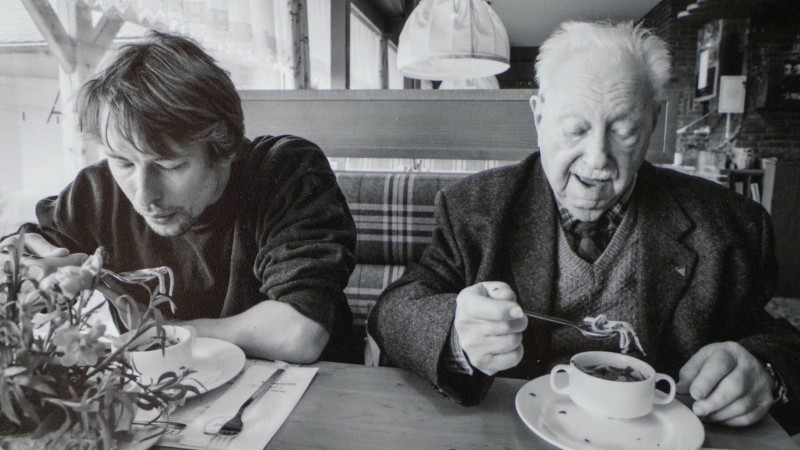
A documentary portrait of Erich Richard Finsches: a Viennese contemporary witness, Holocaust survivor, and person of public interest. The portrait will first shed light on Erich Finsches' youth, which was marked by persecution by the Nazis. It will explore his character and examine how his experiences shaped him. His later life in post-war Vienna will also be discussed, and the film will explore how the then 18-year-old Erich, alone, without parents, but with firm determination and a zest for life, built a new existence for himself. We gain insight into the everyday life of Erich Finsches, now 94 years old, who, despite his history marked by the past, is still tireless in his efforts to convey his story to younger generations. His walking disability hardly prevents him from tirelessly attending commemorative ceremonies and schools at home and abroad to tell his story and convey his message of “never again” to students and interested parties.
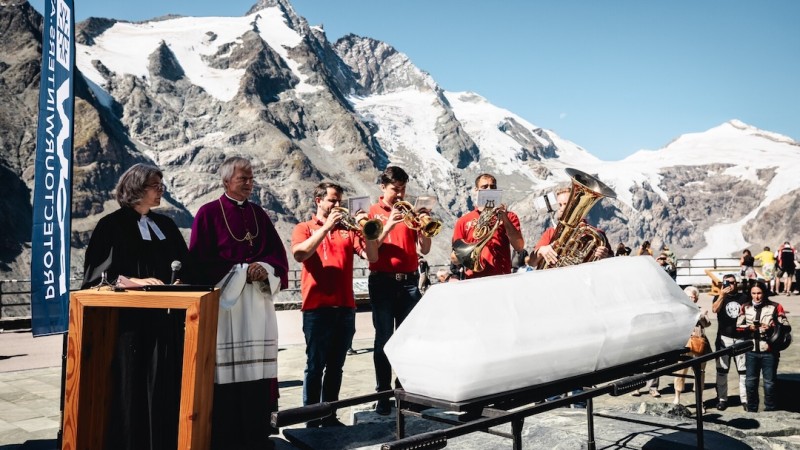
The glaciers of the Eastern Alps are dying—irreversibly, as scientists agree. While the “eternal ice” melts and permafrost thaws, tourism continues to boom. Visitors crowd into glacier cable cars to touch the vanishing ice one last time. Meanwhile, drastic interventions reshape the landscape: slope reinforcements, snow depots, artificial snow systems, and massive terrain modifications—a race against time to keep glacier skiing alive. Harry Putz creates a haunting cinematic homage to the dying glaciers of the Alps. Through in-depth interviews, he weaves science and emotion into a powerful documentary, filmed across 14 glaciers in Austria, Germany, Italy, and Switzerland. In the end, one unavoidable question remains: How do we say goodbye to our glaciers?
The Beginning of Identification, and its End, Philipp Gufler, DE 2024, 19 min
In Thousand Petals, Louise Bongartz, BE 2023, 10 min
Sixty-seven Milliseconds, Fleuryfontaine, FR 2025, 15 min
Abortion Party, Julia Mellen, ES 2025, 13 min
Touching fish, Yongjin Li, CN 2025, 13 min
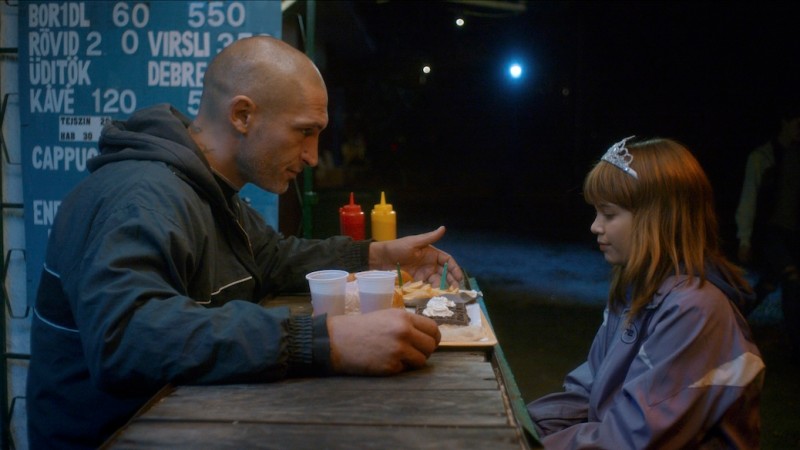
On the outskirts of Budapest, deep in the woods, stands a small, crumbling hut. Inside, two social outcasts
have created an unlikely bond. Fanni, a 19-year-old transgender girl, and Laci, a 60-year-old homeless man, support each other
as a makeshift father and daughter, building a fragile sense of home on the margins of Hungarian society. Life is harsh, but
it is theirs.
This intimate coming-of-age documentary explores home, family, and acceptance while reflecting the struggles
of Hungary’s LGBTQ community. Since 2020, government laws have banned gender changes on official documents and restricted
access to LGBTQ content for minors, fueling fear, censorship, and hate. Created without state funding and supported only by
private and foreign sources, the film stands as both a personal story and a quiet act of resistance.
Dajori (which means “mother” in Romani) tells the moving story of Marie, a strong Romani woman who lives with her husband Enrico in the poor Czech border town of Varnsdorf. Marie decides to help her younger sister, who has become homeless with her nine children. Two-year-old Anabel and nine-year-old Samuel come into Marie and Enrico's care. Over the next three years, the film follows the dynamics of the new family and Marie's efforts to compensate the traumatized children with maternal love while raising them according to her ideals.
A brother and sister return home from the capital for Christmas. They are the "prodigal sons" who left the countryside but are now returning after a long absence to reunite with childhood friends and first loves. They hold a party. They drink heavily. Nothing is the same as before.
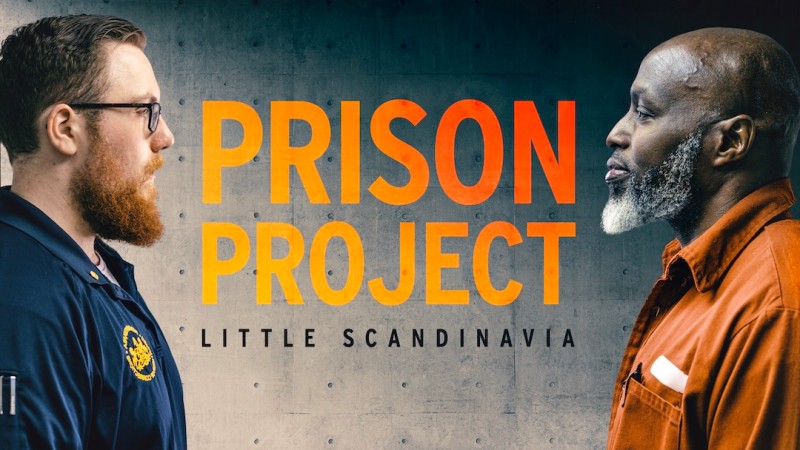
In 2018 the Pennsylvania Department of Corrections concludes that the methods used in correctional practises today are not giving the desired results. There are high numbers of incarcerations and recidivism, in connection with a stressed-out staff whose life expectancy is lower than amongst war veterans.
One possible solution is to try and change the focus, and move towards a more humane and rehabilitating setting inside the prison.
In the summer of 2019 a group of correctional officers and management travels around Scandinavia in order to be inspired to a new way of doing things. For two weeks the US correctional officers work side-by-side with Norwegian colleagues to observe and collect clues on how aspects of Scandinavian prison practices, elements and methods could be adapted back home.
In late 2019 construction starts in the Charlie Alpha unit at State Correctional Institute Chester. This unit was given the name "Little Scandinavia".
The documentary follows the whole process from the early start in 2018 until January 2023.
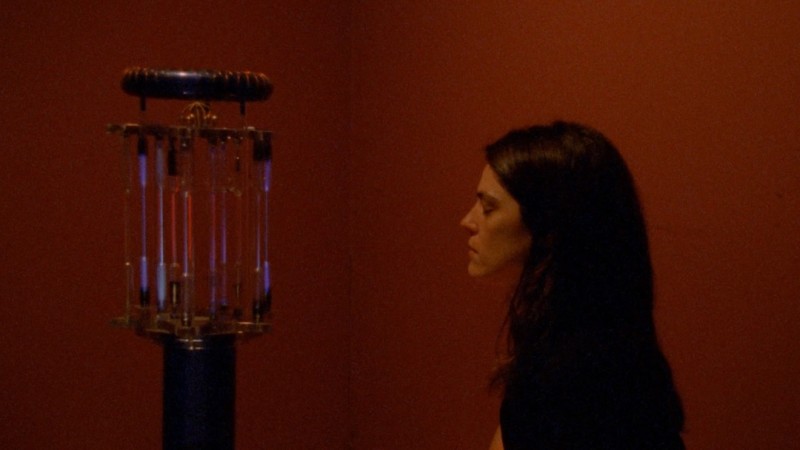
Carrie Fernandez inherits a patent for one of her late father's inventions: a medical-grade healing device. To gain clarity, she embarks on a journey between biographical curiosity and alienation from what the financiers of her father's parascientific ventures have to say about his world and its truths.
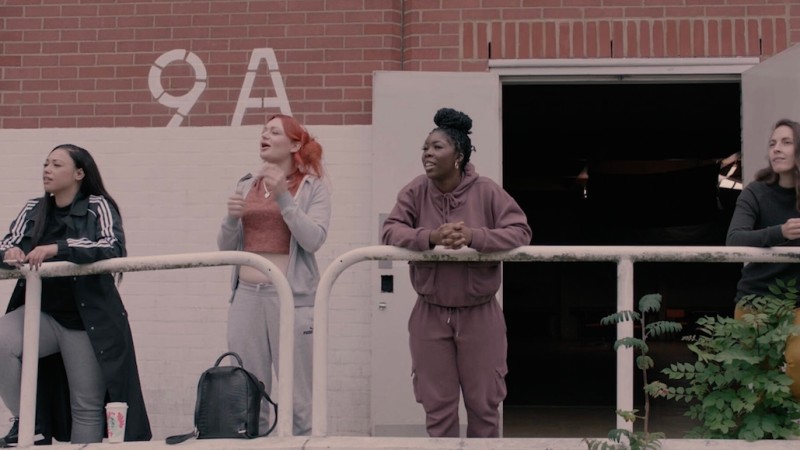
Six women return to the now abandoned Holloway Prison to take part in a women’s circle. Sharing some of the most intimate experiences of their lives, they unravel what led each of them to prison, building an eye-opening portrait of repeatedly failing systems, and discovering their extraordinary capacity to heal through sisterhood.
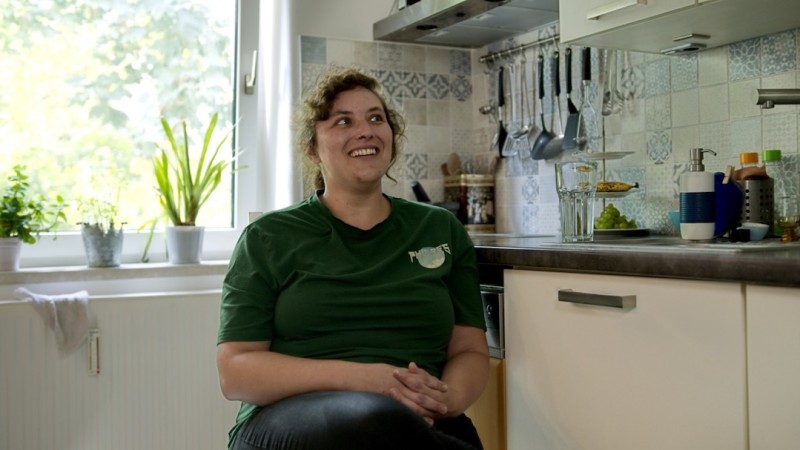
Mothers talk about their experiences. What expectations are placed on them, and what are the personal and social challenges they face? From nuclear families and single parents to homosexual parents and motherhood through artificial insemination, everything is represented. Layer by layer, outdated and reversed role models and the breaking of social norms become visible. Motherhood between hard work and euphoria.
Fekry's Thoughts, Essam Hayder, EG 2025, 20 min
Dear Sikhonkwane, Shile Hlophe, ZA 2025, 20 min
Women of Bissau, Juan Garcia de la Fuente/ Dave Jackson, ES 2024, 20 min
The Warriors Of Love, Joaquín Gonzáles, CO 2024, 15 min
Hi Mom, It's Me, Lou Lou, Atakan Yilmaz, TK 2024, 20 min
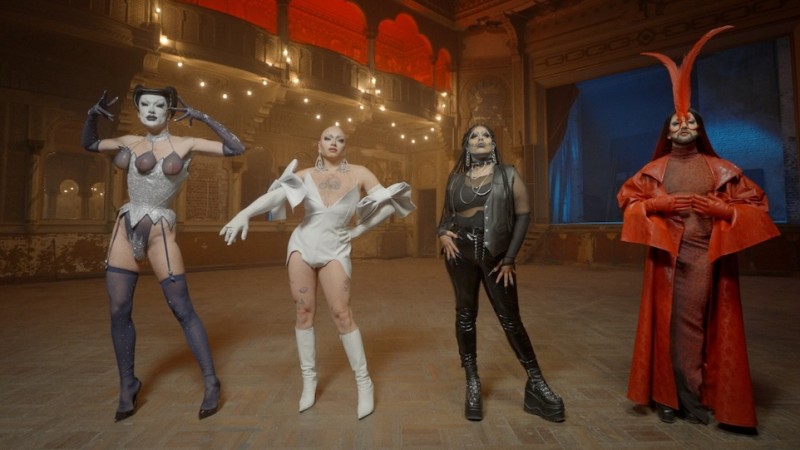
Massie, Addi, Lylybeth and Joy are four non-binary artists at a turning point in their careers on Brussels’ burgeoning drag scene. While this chosen family is close-knit and supportive, their blood family often has difficulty understanding their identity and their profession. Many truths and emotions remain unspoken.
Their shows, sometimes very funny, sometimes very dark, often both, are directly inspired by their daily struggles. The stage allows them to express their gender identities. It’s also their livelihood and the place where they draw the energy to force their way into our society.
As their performances become increasingly notable, a quest for identity and artistic recognition takes shape. These artists aspire to something essential: the need to embrace who you are and, above all, to be accepted for who you are.
„Frauen machen die härteren Filme!“ Seit Kult-Regisseurin Kira Muratova der jungen Filmemacherin Isa Willinger am Beginn ihrer Filmkarriere diesen Gedanken mit auf den Weg gab, ließ der sie nicht mehr los. Wie kann das sein, wo doch „weiblich“ eher mit „empathisch“ und „gefühlvoll“ gleichgesetzt wird?
Nun begibt sich Willinger auf zu einer Reise zu den großen Regisseurinnen unserer Zeit. Sie trifft mit weltberühmten Regie-Ikonen, ebenso wie Newcomerinnen und radikalen Vordenkerinnen zusammen. Dabei wird klar, dass die Leinwand Projektionsfläche realer gesellschaftlicher Probleme und Machtverhältnisse ist. Die Frage, die NO MERCY stellt, geht tief: Wo stehen wir heute wirklich in punkto Frauen, Männer und Macht?
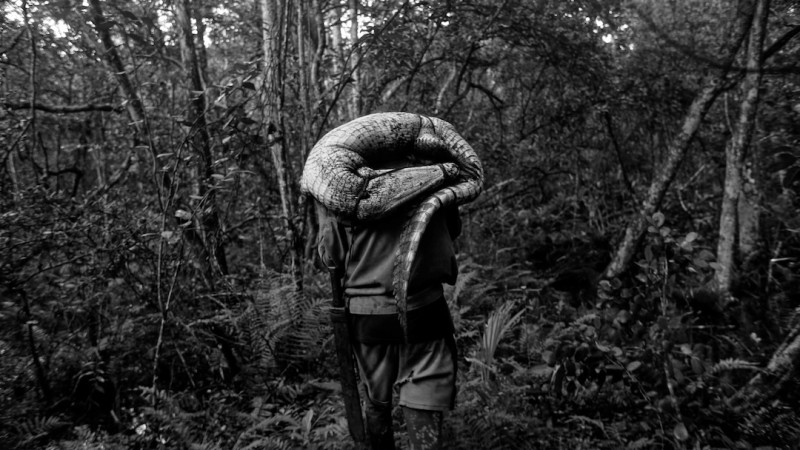
Landi is a father who secretly camps in the marshlands of Zapata, where he hunts crocodiles with his hands to feed his family. The radio reports hundreds of daily deaths from the pande-mic and strong social tensions in Cuba. On the coast, his wife Mercedes searches for charcoal to cook and takes care of their son, who suffers from severe autism. Days go by, and Mercedes becomes impatient. Landi should have returned by now, and there is no news of him. She fears something has happened to him, but she cannot say anything to avoid giving them away. He finally appears, carrying the food that enables them to survive, before having to return to the marsh. Their lives are a cycle, plagued by need and absence.
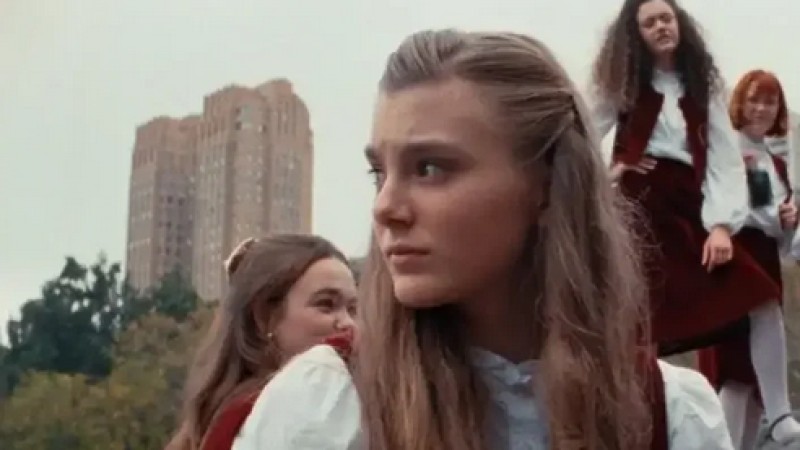
After years of estrangement, Lina, a Moldovan journalist, receives a video message from her father, a migrant worker in Italy, showing bruises on his arms. Equipping him with a hidden camera so that he may find justice, Lina finds herself on a parallel journey — uncovering a pattern of domestic violence that has plagued her family for generations. Filmed across Italy, Moldova, and Romania, TATA is a raw portrait of a family locked in a relentless struggle against toxic masculinity. It tells the story of a daughter's emotionally poignant quest to break the cycle for herself, the next generation, and even for the one who hurt her.
The spectre of climate change is haunting us. Why can’t we find answers to the greatest challenge of our time? Trop Chaud, a courtroom thriller from the European Court of Human Rights, clarifies matters.
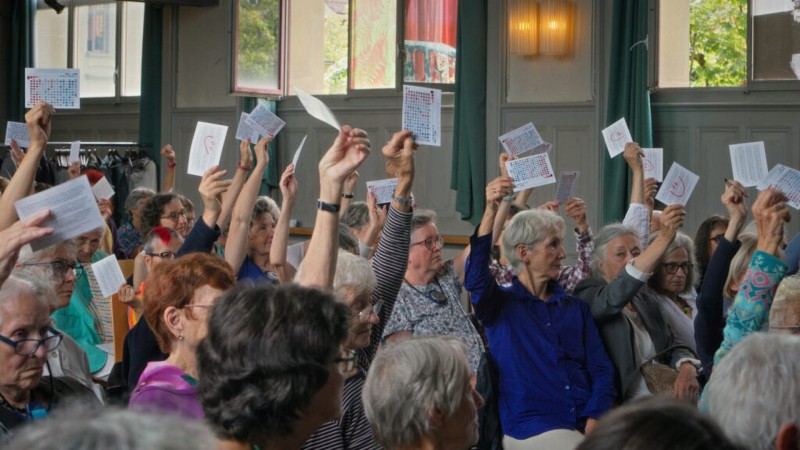
The Swiss KlimaSeniorinnen (senior women against climate change) are fighting on the front line. Instead of retiring, these elderly women from the civil society in all parts of multilingual Switzerland want to do something about the increasingly frequent heat waves. They bravely take on their own country and file a complaint with the European Court of Human Rights (ECHR) against the Swiss government, claiming that it is not doing enough to protect their health. It is a seemingly hopeless undertaking that, after eight years of fighting, culminates in a spectacular ruling that attracts worldwide attention. On 9 April 2024, the ECHR rules that climate protection is a human right. A triumph for the Swiss KlimaSeniorinnen. But Switzerland chooses not to implement the landmark ruling.
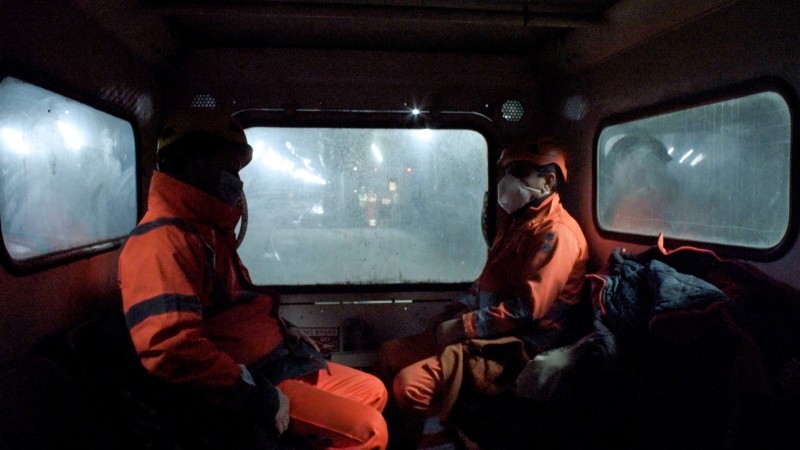
Fortezza/Franzensfeste ist ein Dorf in einem Tal, das nie die Sonne sieht. Selbst im Sommer ist es Winter. Die meiste Arbeit wird nachts erledigt oder untertage. Eine Festung für den Kaiser, ein Staudamm für Mussolini, ein Tunnel für Europa werfen ihre Schatten. Hier wird man nicht geboren, man kommt auf der Suche nach Arbeit, verbraucht sich für Bauten, die einen überdauern werden, und wird hier sterben. Dennoch wirken die Bewohner:innen gelöst, wenn sie von der Flucht vor Regimen und Vätern erzählen, und vom Spaß daran, Felsen zu sprengen. Züge halten, doch niemand fährt weg. Ein paradoxer Ort.
In the early 1990s 13-year-old Karolína, a gifted novice singer, is given the chance to become a member of a world-famous girls' choir, taking her place alongside her older sister and her other rivals in the ensemble. Karolína’s exceptional talent has caught the attention of the formidable and much admired choirmaster whose attention is wanted by all the young singers. What will be the price Karolína has to pay to become his favourite? [Czech film institute]
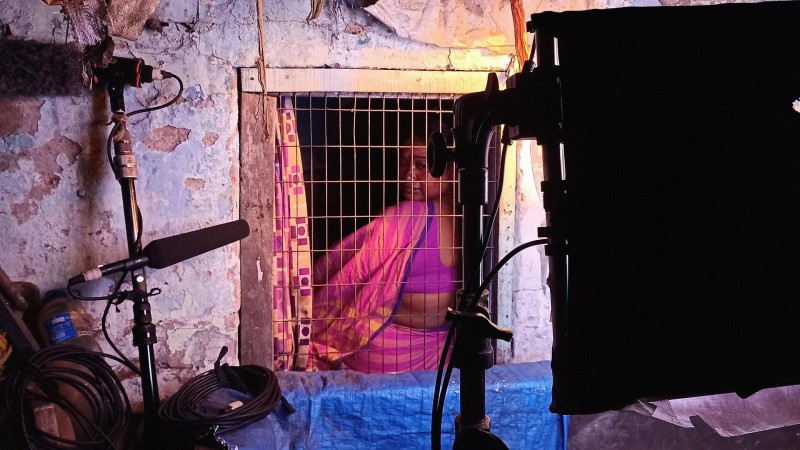
Redlight to Limelight follows a group of young children who are passionately weaving stories with mothers and sisters through their video production unit called CAM-ON to cultivate a meaningful change in the lives of a special community of sex workers in the brothel of Kalighat, Kolkata. Keeping aside the ghosts of their grimy reality and who they were, women and children get immersed in an incredible joy of storytelling with a burning desire to turn the brothel into a better place. Woven around the experiences of mothers and sisters, CAM ON embarks on making a new short fiction Nupur, which is often entwined between memories and actuality, takes them through a catharsis when the community premieres the film for a public screening. With joy and the power of storytelling, artful voices make their grimy universe a liberating space of self-assertion.
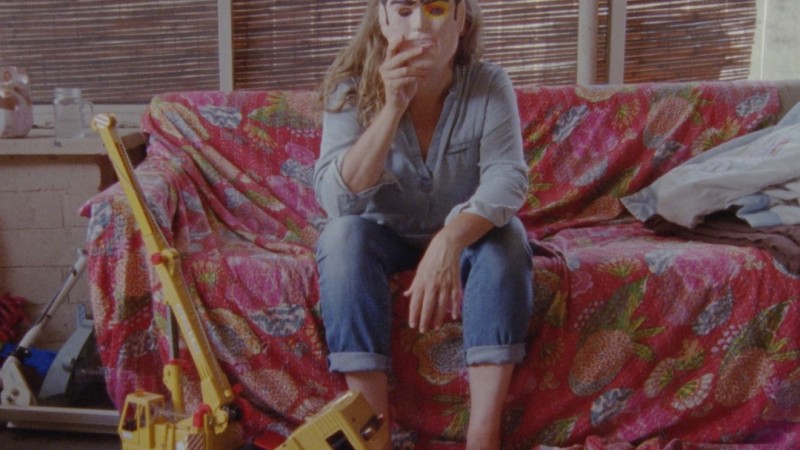
In her razor-sharp film essay, Lee Anne Schmitt recounts the great cultural battles of the American right from her living room, using the children's toys her father brought her back from his business trips for the Olin Corporation. The same corporation finances a foundation of the same name, which, like many others, promotes right-wing conservative ideologies.
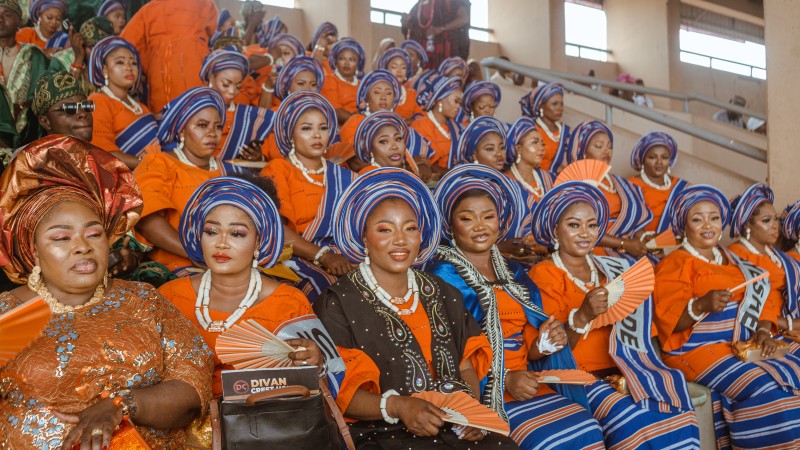
Lace Relations follows the twisted threats of textile history. The film looks at the dramatic encounters of Nigeria and Austria; it introduces flamboyant fashion icons and industrious manufacturers, and evokes the ghosts lingering in the hidden seams of colonial history.
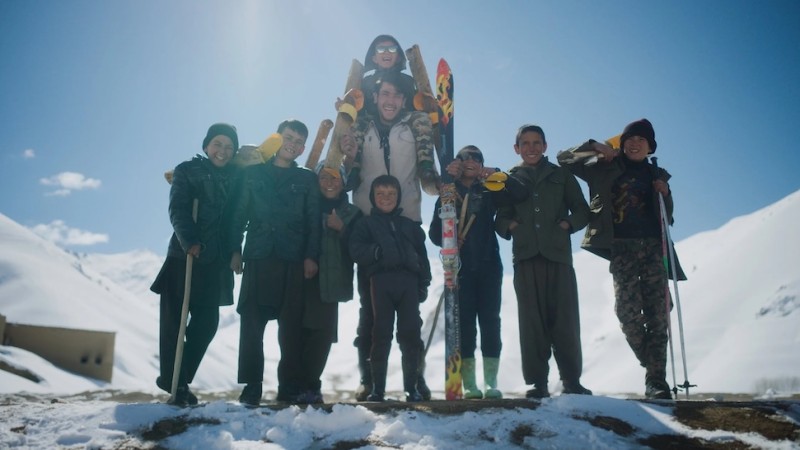
At the heart of this movement is Alishah Farhang, a former Winter Olympic hopeful whose dream of being the first to represent Afghanistan in alpine skiing transforms into a mission to bring his passion for the sport to his homeland. Equipped with handmade wooden skis and secondhand gear, young athletes from rival villages come together to compete in a ski mountaineering race like no other. The event becomes a powerful catalyst for unity and hope, showcasing the transformative power of sport to bridge deep divides. And when their world is suddenly upended, Alishah and the athletes must call upon those lessons learned on the slopes.
Riveting, uplifting and deeply human, this is a story about how champions can be made by more than medals. With the spirit of an underdog sports story, Champions of the Golden Valley is a visually stunning and utterly unique perspective on the Olympic dream – showing how competition can strengthen communities, unite cultures, and bring light to even the most unexpected corners of the world.
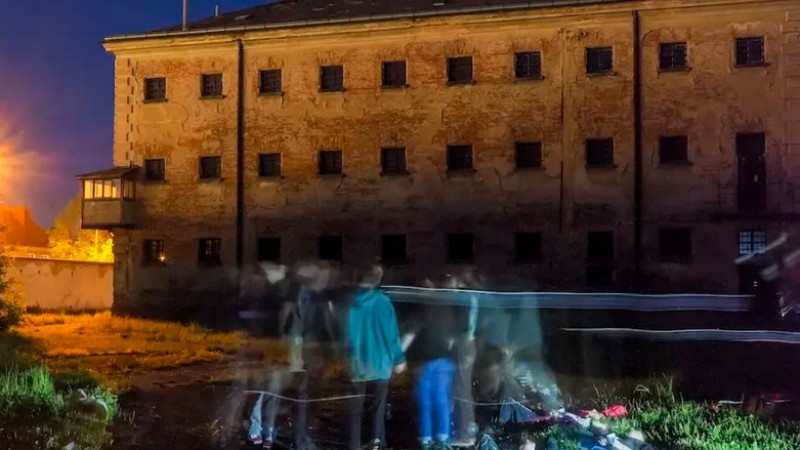
Buzzy bees pollinate the flowers in the executioner's courtyard. An overgrown window projects shadows of leaves on the cracked walls of the former cell. Nearby lies the last occupant of the building, the decayed corpse of a curious marten. The former prison has stood in Uherské Hradiště for almost 130 years. Since the WWII it has been the site of political trials, torture and executions. The German Gestapo was replaced by the Czechoslovak Communist government and continued to suppress basic human rights until it ceased operations in the 1960s. The empty premises were used for the Secondary School of Arts and Crafts, a school canteen, a recreation hall, a theatre warehouse. Today the prison is forgotten by its surroundings, surrounded by a supermarket, a bus station and an art school. [Czech film center]
With an essayistic-poetic approach, Generations of Images embarks on a search for traces through the profound transformation processes of Albanian history. In archives, forgotten places and memories of different generations, ruptures and continuities become visible, left behind by the transition from communist dictatorship to capitalist democracy. Through an ambiguous poem, interpreted both as a wake-up call for revolution and an authoritarian lullaby, the film delves into regime images and image regimes, bringing forth hidden narratives and depicting how deeply Albania’s history is inscribed into the texture of its present.
Ein Wiener Sport Club is a cinematic kaleidoscope of community, inclusion, and transformation, showing how sport can be more than goals and scores—a place where the future is already being imagined.
Ein Wiener Sport Club is more than a football documentary. It is a poetic portrait of one of Vienna’s last true cult clubs, rooted in the 17th district between morbid charm and leftist resistance. The film explores a world where football becomes a social mirror and a utopian space of possibility. At its heart is the Friedhofstribüne, a vibrant meeting place where activists, artists, queers, retirees, and dreamers turn fandom into political art and collective ritual. Here, football is reimagined through anti-fascist banners, LGBTQ+ projects, and refugee support, creating a living social utopia. The film follows the people who bring WSC to life: Emina, captain of the women’s team fighting for equality; Frida, a young fencer uniting sport and activism; Stefanie, a queer artist promoting FLINTA visibility; Wolfgang, the idealist president; Alan, a devoted father; and Roland, the blind announcer whose voice captures every game.
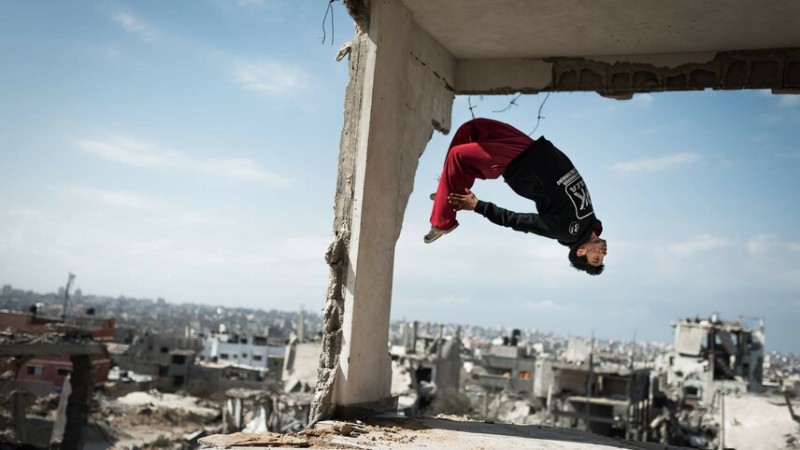
When filmmaker Areeb sees a video of young men doing parkour on the beach in Gaza, memories come back. The liveliness of the young runners contradict the explosions heard in the distance. Areeb gets in touch with the parkour runners, including Ahmed. Together, they make their way through the devastated Gaza Strip, where he finds it difficult to imagine a future for himself.
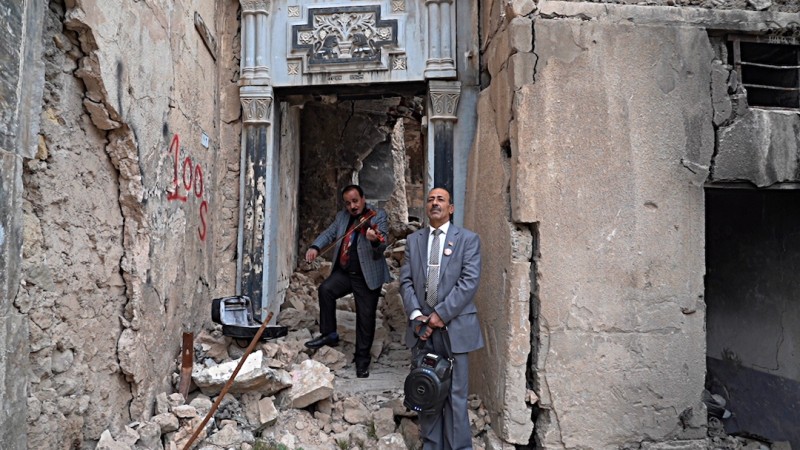
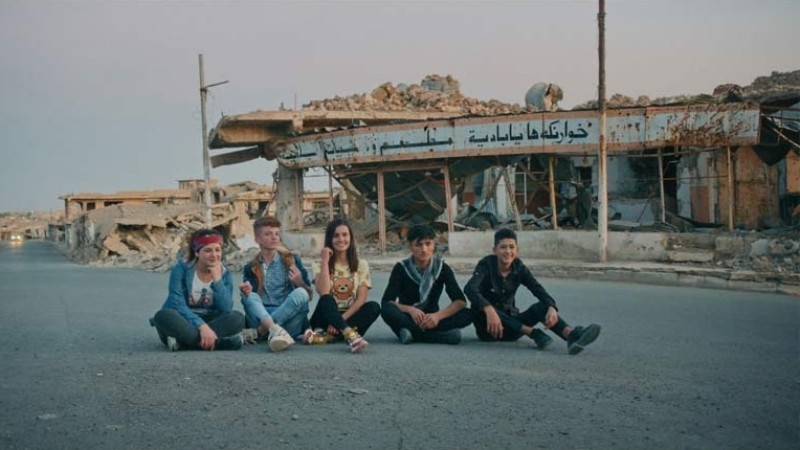
In Mosul after the destruction of the city by ISIS. Three men whose lives revolve around memory and forgotten culture: Bashar, a fisherman who wants to protect the ruins of his family home from looters. Fakhri, a former soldier and collector of Iraqi artifacts, who wants to save the artistic evidence of the past. Fadel, a violinist who has vowed to fill Mosul with music again after years of prohibition. The focus is on the contested doorframe decorated with lions, which becomes a symbol of both tenacity and the survival of culture.
In a North-Macedonian village called Kanatlar, Ayten and Erdoğan raise their family, balancing the ancient Bektashi-dervish doctrine with the challenges of modern life and economy. This tobacco-growing valley is home to a few hundred Turks of the Bektashi Sufi order, an 800-year-old branch of Islam that teaches progressive ideas, even by today’s standards. They believe everyone and everything is equal, which gives women freedom and power that many other Muslims find blasphemous. Ayten and Erdoğan love each other deeply, but this love is mostly shown through their work for the family. This hard-working couple shows gender equality blooming where you would least expect it – in a rural community of Muslims devoted to religion, family and tradition in one of the poorest regions of the Balkans.
Addam Yekutieli, often referred to as the “Israeli Banksy,” prefers to avoid such mystification. Under his pseudonym Know Hope, he creates fragile, humanoid figures in public spaces that use empathy as a political language. With them, he questions the myths and narratives of a fragmented Israeli society—and as a result, increasingly finds himself in conflict. Know Hope accompanies an artist who fights against cynicism and the hardening of a polarized world in favor of radical empathy.
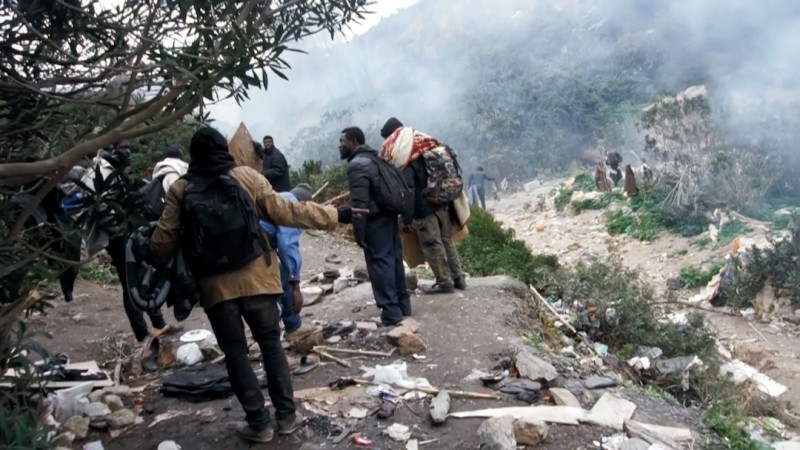
This documentary, spanning a decade of filming by director David Bingong, offers a firsthand perspective on the perilous journeys of young West African migrants aiming to reach Europe. The narrative centers on a group of young men in Morocco as they prepare to cross the heavily guarded border into Spain in 2015, a dream shared by many hoping to support their families back home.
Scarecrow is a story of hope, love, and art. The film tells the story of Lida, a third-generation Armenian refugee from Turkey to Iran. Lida is a gifted ballet dancer, but ballet is forbidden for women in her homeland. When she is no longer allowed to dance, she retreats to the Caspian Sea coast to work as a scarecrow—an absurd, poetic image of someone who has lost her own wings. In her solitude, she meets a soldier, and a tender, vulnerable love story blossoms between them. But even this love cannot completely free Lida from her inner darkness. Matarsak is the story of a woman who, despite pain, loss, and prohibitions, searches for freedom and beauty. Will she find her way back to dance? Filmed in northern Persia on the Caspian Sea, the film combines poignant emotions with stunning images of a region where nature and longing intertwine.
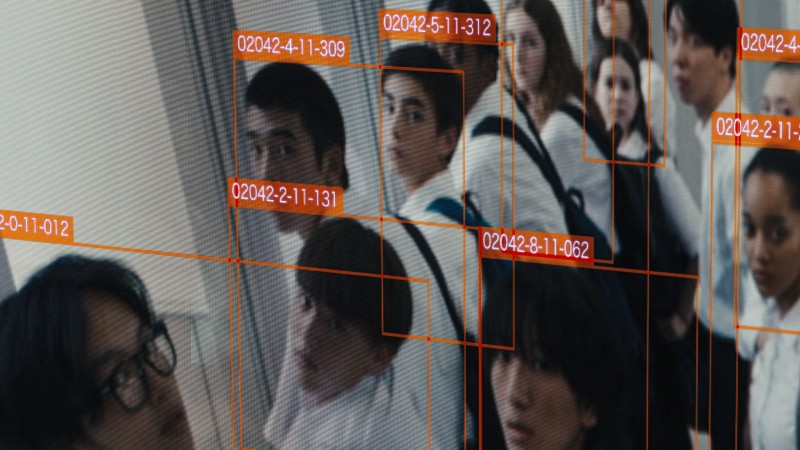
In Happyend, set in a near-future Tokyo where the threat of a catastrophic earthquake pervades daily life, two rabble-rousing best friends are about to graduate high school. One night, they pull a consequential prank on their Principal, which leads to a surveillance system being installed in their school. Stuck between the oppressive security system and a darkening national political situation, the two respond in contrasting ways, leading them to confront differences they never had to face before.
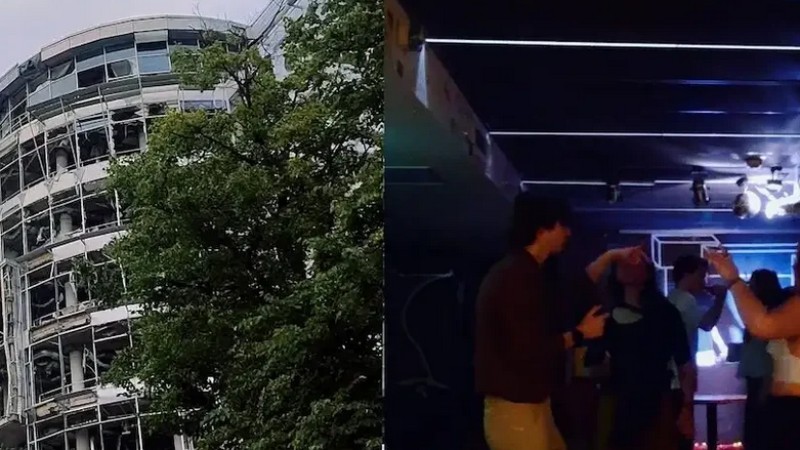
In Spring 2022 Masha prepares to leave Russia, her homeland that has changed. However, a chain of unexpected farewells makes everything, including her own self, fall apart. Her only way to cope with the grief is to record her life with a camera. As her anger guides her to the local underground scene, which has become an escape for young Russians, her lens captures the kaleidoscope of shards representing not only the spirit of the time, but also her personality crumbling against the backdrop of global turmoil.
Chloe decides to leave Athens and travel to the other side of the country. On the way, she happens to meet a group of young people who are driving around Greece in a motorhome and helping people who live on the edge of poverty. Chloe is immediately taken by the group’s ideals and unconventional lifestyle and joins them. Travelling with the group, she discovers aspects of her country, and also of herself, that she previously did not know existed. She learns what it is like to care for others and to be cared for, to have a chosen family and how much you may have to sacrifice not to lose them. She learns the rituals of her new tribe, finds love, is disappointed, experiences fear, hunger, danger and freedom. Chloe’s journey on the frantic road of rebellion takes her over the threshold into true adulthood, and to the realisation that it only becomes less painful when you are not alone.
At a time of crisis in the Hungarian school system, two newcomers, Juci (33) and Palkó (10), arrive at a struggling school. Juci is unexpectedly made head teacher of a fifth-grade class due to a teacher shortage. Meanwhile, Palkó, recently relocated from Berlin, struggles to adapt to the demanding educational system. As Juci attempts to challenge the outdated methods and Palkó tries to fit in, a childish prank lands him in trouble, making life at school miserable for both of them. Their personal stories offer insight into an oppressive system, reflecting broader Hungarian society.
When Niki finds out that her father is in town after being released from prison, she disobeys her grandmother's fierce objections and meets him in secret. Faced with his 12-year-old daughter, Tibor is forced to confront his role as a father and finally take responsibility. After 7 years without contact, the father and daughter get to know each other, whilst realising their strong connection and how powerful forgiveness can be.
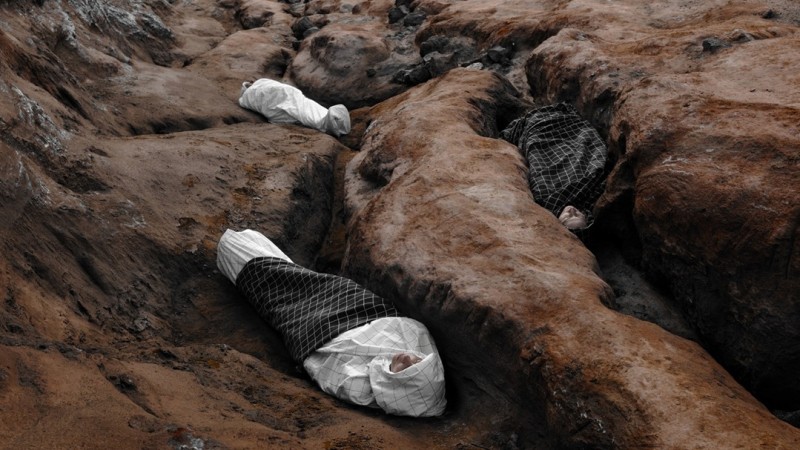
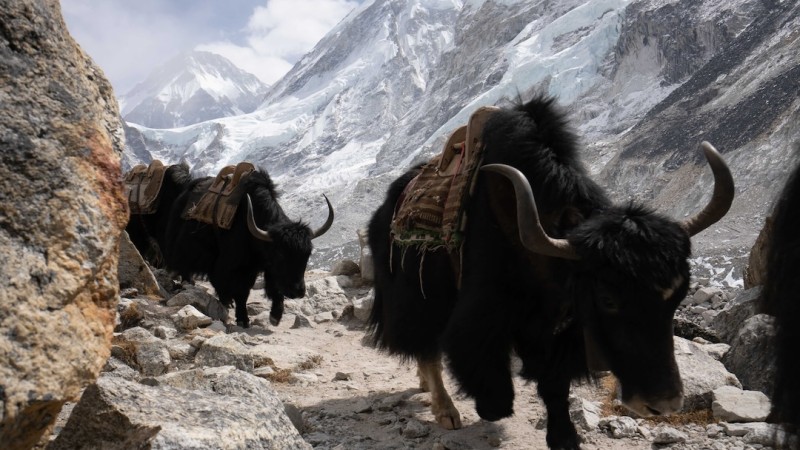
Everest Dark tells the epic journey of a professional Sherpa climber, who has the objective to honor the mountain gods by retrieving those who died while climbing Everest, and whose bodies are lost in its iced faces. Despite the risks and dangers posed by nature, he organizes an expedition that could be his last, while offering a rare local perspective on Everest and all the precautions a climber must take to face the tallest mountain of the world.
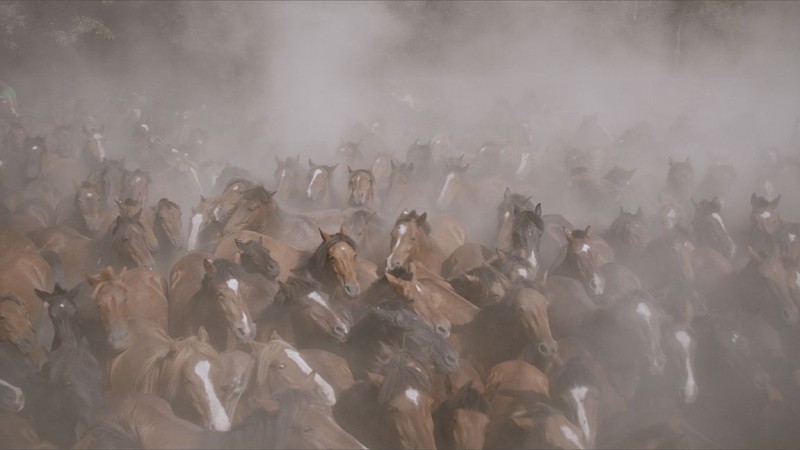
Only on Earth is an immersive, visually striking film anchored in moments from a summer marred by extreme heat and drought, where inextinguishable wildfires rage for days. The film is deeply rooted in the mountainous landscapes of Southern Galicia, one of Europe’s most vulnerable forest fire zones. Kilometers of wind turbines extend across these lands as ghostly white behemoths cloaked in mountain mist. Below them graze las bestas: the small, hardy European wild horses that have roamed these lands freely for centuries under the watch of local cowboys. They are indispensable when it comes to fire prevention as they keep down the flammable undergrowth. But the horses are becoming fewer and fewer in number, and some fear they may soon vanish entirely in the clash between human progress and nature. At the same time, the true cowboy lifestyle is becoming a thing of the past. The film takes on multiple perspectives. Extraordinary firefighter San, who specializes in forest fire analysis, a job taking him to the frontlines of the most dangerous fires; ten-year-old Pedro, an aspiring cowboy; Cristina, who lives a life close to nature, for better and for worse, as both a farmer and a firefighter; warm-hearted vet Eva, who works with horses, both wild and tame, and who’s also a genuine cowboy on par with the guys; and the animals, especially the horses, who are always returning our gaze when we look at them.
Five lives, one city… the fate of a nation. From the metropolis of Khartoum five Sudanese characters: a civil servant, a tea lady, a resistance committee volunteer, and two street boys all in search of freedom, have their stories unexpectedly woven together through animated dreams, street revolutions and a civil war.
DIRTY CARE, Isa Schieche, AT 2025, 16:55 min
A DIMINISHING BLUE, Jakob Jakubowski, AT 2025, 05:24 min
CAUGHT IN 4K, Adriana Mrnjavac, Nicole Stigler, AT 2025, 15 min
AT NIGHT, WHEN DOGS BARK, Lena Imboden, AT 2025, 27:21 min
HEAST, Francisca Friedrich/ Lena Isabella Deisenberger, AT/DE 2024, 02:20 min
DOSTA DOSTA (Enough Enough), Julia Novacek, AT/ME/RS 2025, 30 min
FORBIDDEN LOVE (Yasak Aşk), Yavuz Kurtulmus, AT/TR 2025, 12 min
III, Josephine Ahnelt, AT 2025, 17 min
I first encountered Ivo at an kind space he ran in Sofia. His unapologetic presence what electric-unabashedly gay, brilliant, and wildly provocative. Kristina Nikolova (director)
Ivo Dimchev is on international acclaimed Bulgarian multidisciplinary artist, a theater maker, choreographer, visual artist, singer- songwriter known for his extreme and colorful mix of performance kind, dance, music, visual arts, and queer activism. Renowned for pushing creative boundaries and challenging societal norms, Dimchev's contemporary artistic projects are celebrated worldwide for their boldness and innovative approach.
Following the screening, Ivo will give an exclusive concert on the cinema stage.
Behind the scenes of a hotel in the Italian Dolomites, the staff do everything they can to serve the guests and prevent complaints. The hotel has four stars, and a fifth is in sight. The housekeeping team, mainly made up of women, makes sure everything is clean. Breaks are short, and there are no holidays or sick leave. Personale watches the workers, all of whom have an immigrant background, as they do the same repetitive tasks; and in doing so, consistently adopts their perspective. Not being seen means not existing.
Magdi, a strong-willed, but lonely caregiver faces a daunting reality as she grows older: if she were to pass away, her disabled adult son, Feri would be left to the inhumane conditions of the Hungarian state care system, and would quickly follow her. Determined to secure a future for Feri, Magdi unites with a group of mothers who are in the same situation and they take legal action against the state. Your Life Without Me is a story of the strength and sacrifices of these women who find their own voice through the common fight and their community.
Erhan Arik, a young Turkish photographer, grew up in a house where Armenians once lived, driven out by the massacres in 1915. He had never been interested in this episode of history, but when a voice in a dream starts to haunt him about that past, he decides to set out to meet Armenians, who live just across the border. In search of that voice, Erhan visits several families, who live not far away, a few kilometres from their original land, from where they were driven out by the genocide. This film tells the story of this quest, on the other side of the silence.